
ในหน้านี้On this page23
II. สาเหตุของการคลอดก่อนกำหนดII. Causes of preterm birth
ความแตกต่างระหว่างสาเหตุและปัจจัยเสี่ยงCauses and risk factors are different
สาเหตุ หมายถึงภาวะหรือกระบวนการที่ทำให้เกิดการเจ็บครรภ์คลอดก่อนกำหนดโดยตรง ส่วนปัจจัยเสี่ยง หมายถึงลักษณะของมารดาหรือการตั้งครรภ์ที่เพิ่มโอกาสให้เกิดสาเหตุเหล่านั้น แต่ไม่ได้ก่อให้เกิดการคลอดก่อนกำหนดได้ด้วยตัวเอง ตัวอย่างเช่น การสูบบุหรี่เป็นปัจจัยเสี่ยงที่เพิ่มโอกาสเกิดรกลอกตัวก่อนกำหนด ส่วนรกลอกตัวก่อนกำหนดเป็นสาเหตุที่ทำให้มดลูกหดรัดตัวและคลอดก่อนกำหนด อย่างไรก็ตาม ในผู้ป่วยแต่ละรายมักระบุสาเหตุที่แท้จริงได้ไม่ชัดเจน และหลายสาเหตุเกิดร่วมกันได้
A cause is a condition or process that directly starts preterm labour. A risk factor is a feature of the mother or the pregnancy that makes those causes more likely but does not cause preterm birth by itself. For example, smoking is a risk factor that makes placental abruption more likely, and placental abruption is a cause that makes the womb contract and the baby come early. In each woman the real cause is often unclear, and several causes can occur together.
1. การติดเชื้อในโพรงมดลูก1. Infection inside the womb
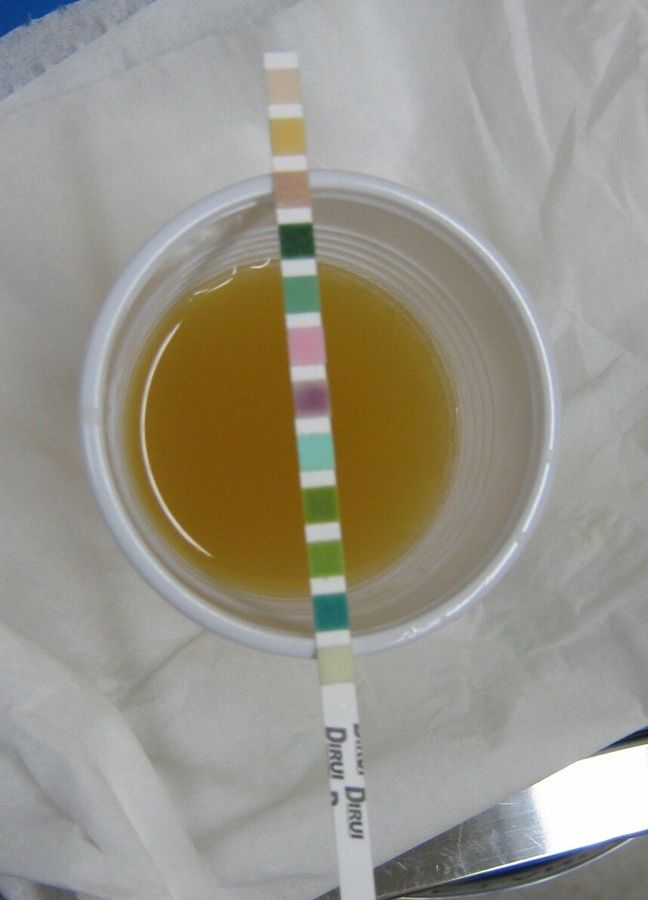
การติดเชื้อเป็นสาเหตุที่มีหลักฐานสนับสนุนมากที่สุด โดยพบหลักฐานการติดเชื้อในโพรงมดลูกราวร้อยละ 25 ถึง 40 ของการคลอดก่อนกำหนด และยิ่งอายุครรภ์น้อยยิ่งพบบ่อย การติดเชื้อที่เกี่ยวข้องโดยตรงคือการติดเชื้อของถุงน้ำคร่ำและเยื่อหุ้มทารก (chorioamnionitis) ซึ่งเชื้อที่พบบ่อยคือ Ureaplasma และ Mycoplasma เชื้อส่วนใหญ่ลุกลามขึ้นมาจากช่องคลอด จึงทำให้ภาวะช่องคลอดอักเสบจากแบคทีเรีย (bacterial vaginosis) และการติดเชื้อทางเดินปัสสาวะ ทั้งชนิดที่มีอาการและไม่มีอาการ ไปจนถึงกรวยไตอักเสบ สัมพันธ์กับการคลอดก่อนกำหนด นอกจากนี้ การติดเชื้อทั่วร่างกาย เช่น ปอดอักเสบ มาลาเรีย และโรคปริทันต์ ก็กระตุ้นการอักเสบที่นำไปสู่การคลอดก่อนกำหนดได้เช่นกัน
Infection is the cause with the strongest evidence. Signs of infection inside the womb are found in about 25–40% of preterm births, more often the earlier the birth. The infection most directly involved is infection of the amniotic sac and membranes (chorioamnionitis), most often with Ureaplasma and Mycoplasma. Most germs climb up from the vagina, which is why bacterial vaginosis and urinary tract infection, with or without symptoms, up to kidney infection, are linked to preterm birth. Infections elsewhere in the body, such as pneumonia, malaria and gum disease, can also trigger inflammation that leads to preterm birth.
2. ความเครียดของมารดาและทารก2. Stress in the mother and baby

ความเครียดทั้งทางร่างกายและจิตใจของมารดา หรือความเครียดของทารกจากภาวะรกทำงานบกพร่อง กระตุ้นให้รกหลั่งฮอร์โมน corticotropin-releasing hormone (CRH) ก่อนเวลาอันควร ฮอร์โมนนี้นำไปสู่การสร้างเอสโตรเจนและพรอสตาแกลนดินที่ทำให้มดลูกพร้อมหดรัดตัว สาเหตุกลุ่มนี้มักพบในหญิงตั้งครรภ์ที่มีความเครียดเรื้อรัง ภาวะซึมเศร้า หรือทำงานหนัก รวมถึงในทารกที่เจริญเติบโตช้าในครรภ์
Physical or emotional stress in the mother, or stress in the baby from a poorly working placenta, makes the placenta release corticotropin-releasing hormone (CRH) too early. This hormone leads to oestrogen and prostaglandins that get the womb ready to contract. This group is common in women with long-term stress, depression or heavy work, and in babies who grow poorly in the womb.
3. เลือดออกที่ decidua และรกลอกตัว3. Bleeding in the decidua and placental abruption
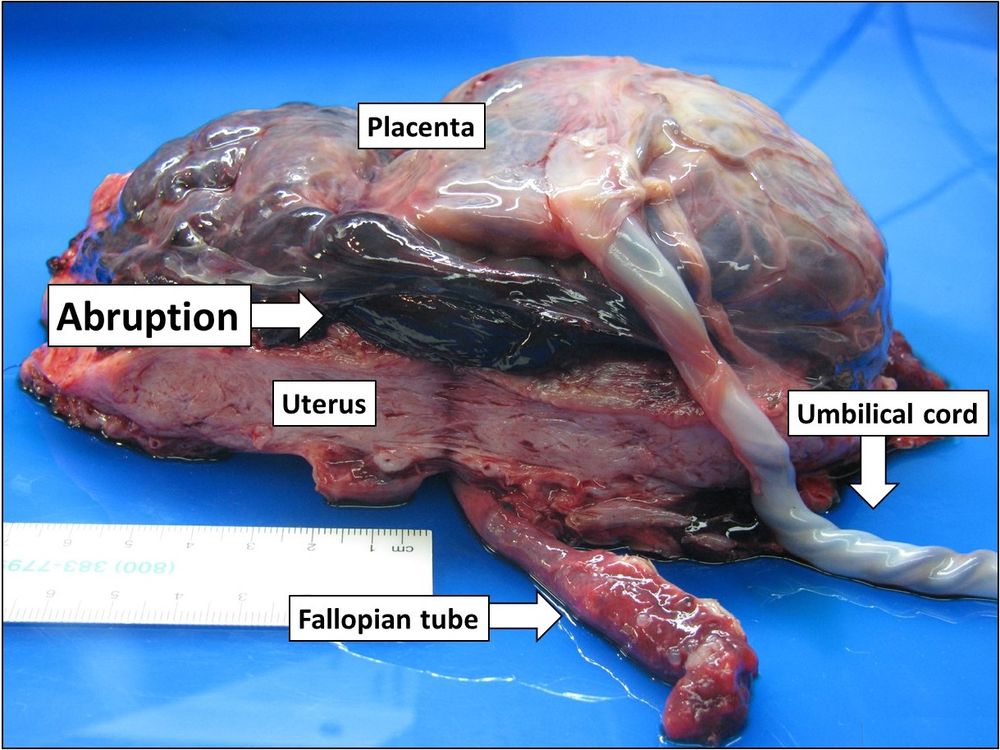
การมีเลือดออกหลังรกหรือในชั้นเยื่อบุโพรงมดลูกระยะตั้งครรภ์ (decidua) ทำให้เกิดสาร thrombin ซึ่งกระตุ้นมดลูกให้หดรัดตัวและทำให้เยื่อหุ้มทารกอ่อนแอ สาเหตุกลุ่มนี้ได้แก่ รกลอกตัวก่อนกำหนด รกเกาะต่ำที่มีเลือดออก และเลือดออกทางช่องคลอดในไตรมาสแรกหรือไตรมาสที่สอง และมักพบร่วมกับถุงน้ำคร่ำแตกก่อนกำหนด
Bleeding behind the placenta or in the pregnancy lining of the womb (decidua) produces thrombin, which makes the womb contract and weakens the membranes. This group includes placental abruption, placenta previa with bleeding, and vaginal bleeding in the first or second trimester, and it often comes together with early rupture of the membranes.
4. มดลูกขยายตัวมากเกิน4. Over-stretching of the womb
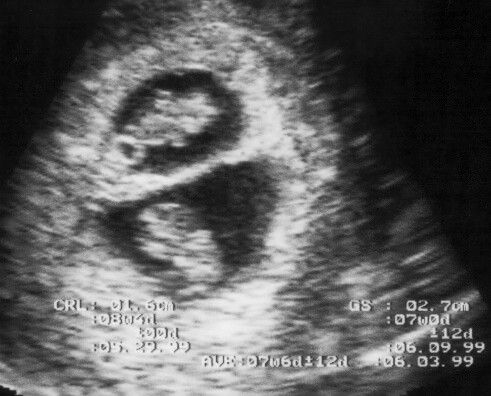
ในครรภ์แฝดและภาวะน้ำคร่ำมาก (polyhydramnios) กล้ามเนื้อมดลูกถูกยืดมากกว่าปกติ แรงยืดนี้ทำให้มดลูกไวต่อการหดรัดตัวและปากมดลูกบางตัวเร็วขึ้น ครรภ์แฝดสองราวครึ่งหนึ่งหรือมากกว่าจึงคลอดก่อนอายุครรภ์ 37 สัปดาห์
In twin pregnancy and with too much amniotic fluid (polyhydramnios), the womb muscle is stretched more than usual. This stretch makes the womb more ready to contract and the cervix thin earlier, which is why about half or more of twin pregnancies end before 37 weeks.
5. ปากมดลูกปิดไม่สนิท5. Cervical insufficiency
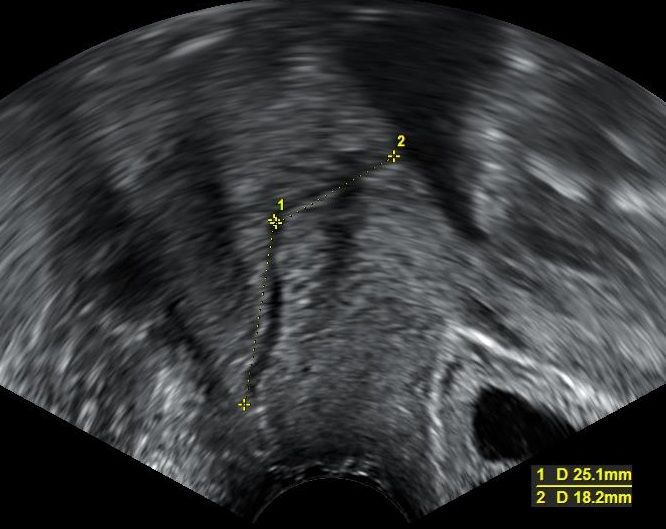
ภาวะปากมดลูกปิดไม่สนิท (cervical insufficiency) คือการที่ปากมดลูกเปิดขยายโดยไม่มีอาการเจ็บครรภ์ มักเกิดในไตรมาสที่สอง ทำให้ถุงน้ำคร่ำโป่งยื่นออกมาและเปิดทางให้เชื้อโรคลุกลามขึ้นสู่โพรงมดลูก ภาวะนี้อาจเกิดจากความผิดปกติแต่กำเนิดของเนื้อเยื่อปากมดลูก หรือจากการบาดเจ็บของปากมดลูกจากการผ่าตัดหรือการคลอดครั้งก่อน
Cervical insufficiency means the cervix opens without labour pains, usually in the second trimester. The sac bulges out and germs can climb into the womb. It can come from a weakness of the cervix present from birth, or from injury to the cervix during surgery or a previous birth.
6. ข้อบ่งชี้ทางการแพทย์ให้ยุติการตั้งครรภ์6. Medical reasons to end the pregnancy
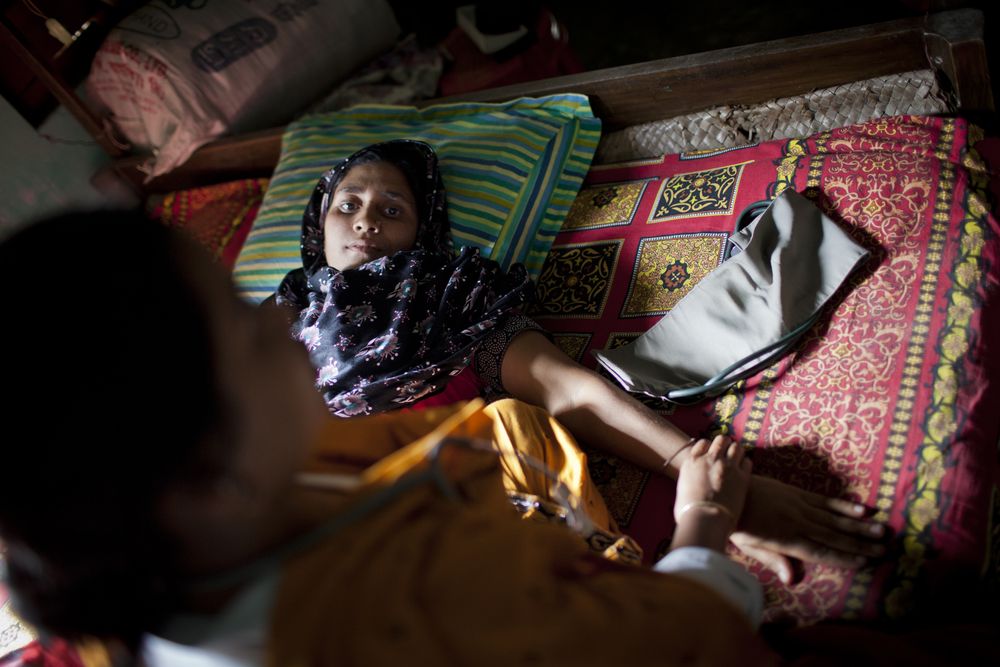
การคลอดก่อนกำหนดราวร้อยละ 30 ถึง 35 ไม่ได้เกิดเอง แต่เกิดจากแพทย์ตัดสินใจให้คลอดเพราะการตั้งครรภ์ต่อไปเป็นอันตรายต่อมารดาหรือทารกมากกว่า สาเหตุที่พบบ่อย ได้แก่ ครรภ์เป็นพิษชนิดรุนแรง ทารกเจริญเติบโตช้าในครรภ์ รกลอกตัวก่อนกำหนด รกเกาะต่ำที่มีเลือดออกมาก ภาวะทารกขาดออกซิเจนในครรภ์ และโรคของมารดาที่ควบคุมไม่ได้ เช่น ความดันโลหิตสูงหรือเบาหวาน
About 30–35% of preterm births do not start on their own: the doctor decides the baby should be born because continuing the pregnancy is more dangerous for the mother or baby. Common reasons are severe pre-eclampsia, a baby growing poorly in the womb, placental abruption, placenta previa with heavy bleeding, lack of oxygen for the baby, and uncontrolled illness in the mother such as high blood pressure or diabetes.
III. ปัจจัยเสี่ยงของการคลอดก่อนกำหนดIII. Risk factors for preterm birth
1. ปัจจัยด้านประวัติการตั้งครรภ์1. Pregnancy history
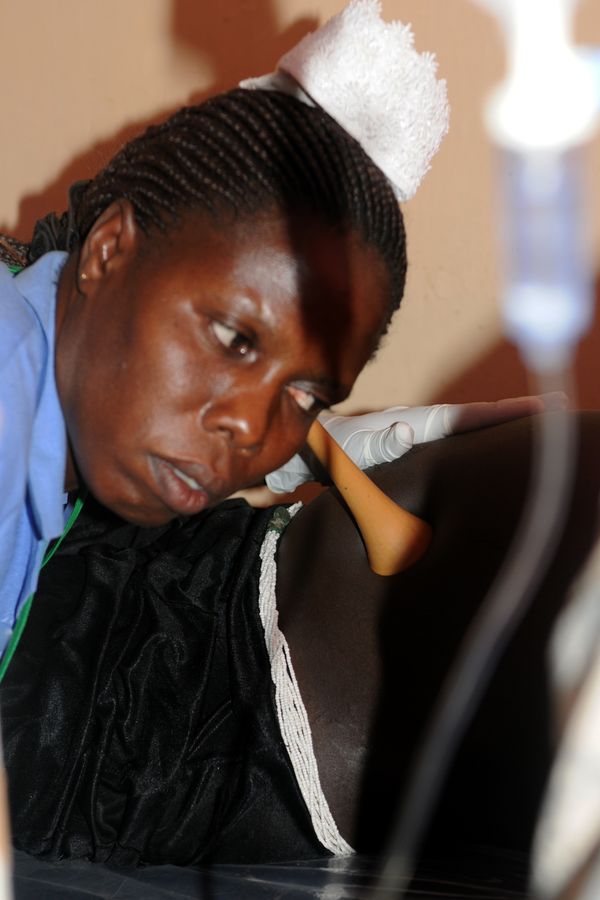
ประวัติเคยคลอดก่อนกำหนดเป็นปัจจัยที่ทำนายการคลอดก่อนกำหนดในครรภ์ถัดไปได้แรงที่สุด โดยความเสี่ยงเพิ่มขึ้นราว 1.5 ถึง 2 เท่า และจะยิ่งสูงขึ้นหากเคยคลอดก่อนกำหนดหลายครั้ง หรือครั้งก่อนคลอดที่อายุครรภ์น้อย นอกจากนี้ ประวัติแท้งในไตรมาสที่สอง การเว้นระยะห่างระหว่างการตั้งครรภ์สั้นกว่า 18 เดือน และการตั้งครรภ์ด้วยเทคโนโลยีช่วยการเจริญพันธุ์ ล้วนเพิ่มโอกาสเกิดการคลอดก่อนกำหนดเช่นกัน
A previous preterm birth is the strongest predictor of preterm birth in the next pregnancy, raising the risk about 1.5 to 2 times, and more if there were several preterm births or the last one was very early. A second-trimester miscarriage, less than 18 months between pregnancies, and pregnancy through assisted reproduction also raise the chance of preterm birth.
2. ปัจจัยด้านมดลูกและปากมดลูก2. The womb and cervix
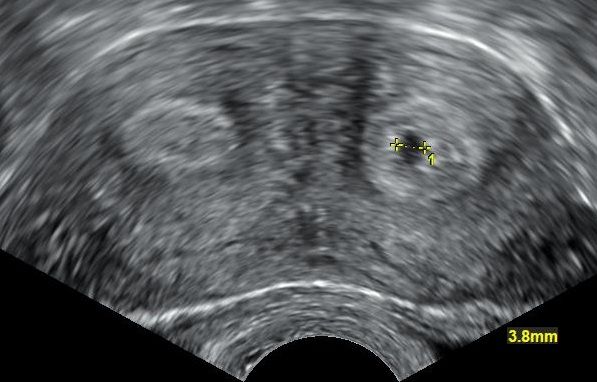
ปากมดลูกสั้น ซึ่งหมายถึงความยาวที่วัดด้วยคลื่นเสียงความถี่สูงทางช่องคลอดได้ไม่เกิน 25 มิลลิเมตรก่อนอายุครรภ์ 24 สัปดาห์ เป็นตัวบ่งชี้ความเสี่ยงที่มีหลักฐานชัดเจน ภาวะปากมดลูกปิดไม่สนิท (cervical insufficiency) และประวัติผ่าตัดปากมดลูก เช่น การตัดปากมดลูกเป็นรูปกรวยหรือการตัดด้วยห่วงไฟฟ้า ทำให้ปากมดลูกมีความแข็งแรงลดลง ส่วนความผิดปกติของรูปร่างมดลูกแต่กำเนิด เช่น มดลูกมีผนังกั้นหรือมดลูกสองส่วน รวมถึงเนื้องอกกล้ามเนื้อมดลูก ทำให้โพรงมดลูกขยายตัวรองรับทารกได้ไม่เต็มที่
A short cervix, 25 millimetres or less on vaginal ultrasound before 24 weeks, is a well-proven sign of risk. Cervical insufficiency and previous surgery on the cervix, such as cone biopsy or loop excision, make the cervix weaker. A womb shaped differently from birth, such as a septate or double womb, and fibroids stop the womb from stretching fully to hold the baby.
3. ปัจจัยด้านโรคและภาวะสุขภาพของมารดา3. The mother’s illnesses and health
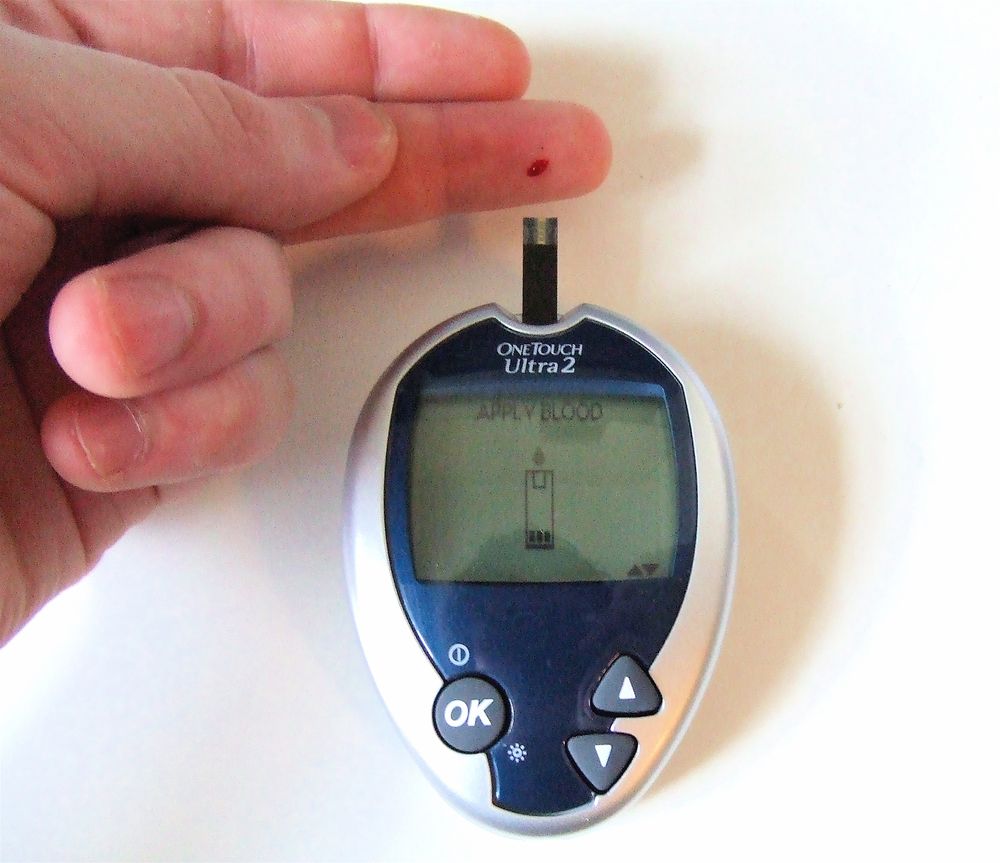
หญิงตั้งครรภ์ที่มีโรคประจำตัว เช่น ความดันโลหิตสูงเรื้อรัง เบาหวาน โรคไต หรือโรคภูมิคุ้มกันทำลายตนเอง มีโอกาสเกิดภาวะแทรกซ้อนที่นำไปสู่การคลอดก่อนกำหนดสูงกว่าหญิงตั้งครรภ์ทั่วไป ประวัติการติดเชื้อในระบบสืบพันธุ์หรือทางเดินปัสสาวะซ้ำบ่อย และโรคเหงือกอักเสบ ก็เพิ่มโอกาสเกิดการติดเชื้อในโพรงมดลูก ทารกที่มีความพิการแต่กำเนิดก็มีแนวโน้มคลอดก่อนกำหนดมากขึ้นเช่นกัน ในบริบทของประเทศไทย งานกรณีศึกษาทางการพยาบาลยังพบว่าภาวะซีดในหญิงตั้งครรภ์เป็นปัจจัยร่วมที่พบได้บ่อย
Women with long-term illnesses such as chronic high blood pressure, diabetes, kidney disease or autoimmune disease are more likely to have complications that lead to preterm birth. Repeated infections of the genital or urinary tract and gum disease raise the chance of infection inside the womb. Babies with birth defects are also more likely to be born early. In Thailand, nursing case studies also find anaemia in pregnancy to be a common contributing factor.
4. ปัจจัยด้านมารดา พฤติกรรม และสังคม4. The mother, behaviour and social factors

มารดาที่อายุน้อยกว่า 18 ปีหรือมากกว่า 35 ปี มีดัชนีมวลกายต่ำ หรือน้ำหนักขึ้นน้อยระหว่างตั้งครรภ์ มีความเสี่ยงสูงกว่ามารดาทั่วไป พฤติกรรมสุขภาพก็มีบทบาทสำคัญ ทั้งการสูบบุหรี่ การดื่มแอลกอฮอล์ และการใช้สารเสพติด เช่น แอมเฟตามีนหรือโคเคน ส่วนปัจจัยทางสังคม ได้แก่ ฐานะทางเศรษฐกิจต่ำ การฝากครรภ์ช้าหรือไม่ครบตามเกณฑ์ ความเครียดและภาวะซึมเศร้า รวมถึงการทำงานหนัก ยืนนาน หรือทำงานเป็นกะ งานกรณีศึกษาเปรียบเทียบในประเทศไทยสะท้อนปัจจัยเหล่านี้อย่างชัดเจน โดยผู้คลอดในกรณีศึกษามีประวัติทำงานโรงงานเป็นกะ พักผ่อนไม่เพียงพอ ใช้สารเสพติด และเริ่มฝากครรภ์ล่าช้า
Mothers younger than 18 or older than 35, with a low body mass index or little weight gain in pregnancy, are at higher risk. Health behaviour matters too: smoking, drinking alcohol and using drugs such as amphetamines or cocaine. Social factors include low income, starting antenatal care late or missing visits, stress and depression, and heavy work, long standing or shift work. A comparative case study in Thailand shows these factors clearly: the women had worked factory shifts, rested too little, used drugs and started antenatal care late.
แบบคัดกรองความเสี่ยงขณะฝากครรภ์ 20 ข้อAntenatal risk screening: 20 items
ประวัติอดีตPast history
 1
เคยมีทารกตายในครรภ์หรือเสียชีวิตแรกเกิด (1 เดือนแรก)
A baby who died in the womb or in the first month after birth
 2
เคยแท้ง 3 ครั้งติดต่อกันหรือมากกว่า
3 or more miscarriages in a row
 3
เคยคลอดบุตรน้ำหนักน้อยกว่า 2,500 กรัม หรือคลอดเมื่ออายุครรภ์น้อยกว่า 37 สัปดาห์
A baby who weighed less than 2,500 g, or was born before 37 weeks
 4
เคยคลอดบุตรน้ำหนักมากกว่า 4,000 กรัม
A baby who weighed more than 4,000 g
 5
เคยเข้ารับการรักษาพยาบาลความดันโลหิตสูงระหว่างตั้งครรภ์ หรือครรภ์เป็นพิษ
Treated for high blood pressure in pregnancy or pre-eclampsia
 6
เคยผ่าตัดอวัยวะในระบบสืบพันธุ์ เช่น เนื้องอกมดลูก ผ่าตัดปากมดลูก ผูกปากมดลูก ฯลฯ
Surgery on the reproductive organs, e.g. fibroids, cervical surgery, a cervical stitch
ประวัติปัจจุบันThis pregnancy
 7
ครรภ์แฝด
Twins or more
 8
อายุน้อยกว่า 17 ปี (นับถึงวันกำหนดคลอด)
Younger than 17 (at the due date)
 9
อายุมากกว่า 35 ปี (นับถึงวันกำหนดคลอด)
Older than 35 (at the due date)
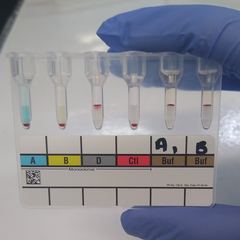 10
หมู่เลือด Rh ลบ (Rh Negative)
Rh negative blood group
 11
เลือดออกทางช่องคลอด
Bleeding from the vagina
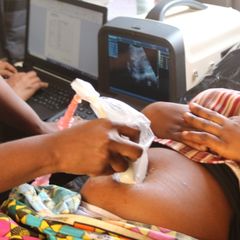 12
มีก้อนในอุ้งเชิงกราน
A lump (mass) in the pelvis
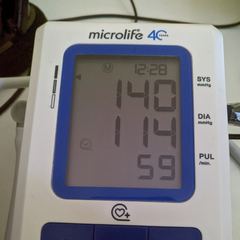 13
ความดันโลหิตตัวล่าง (Diastolic) ตั้งแต่ 90 mmHg ขึ้นไป
Diastolic blood pressure of 90 mmHg or more
 14
ดัชนีมวลกาย (BMI) น้อยกว่า 18.5 กก./ตร.ม.
Body mass index (BMI) below 18.5 kg/m²
ประวัติทางอายุรกรรมMedical history
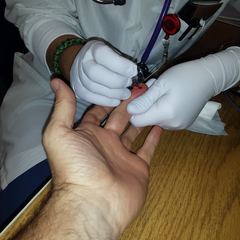 15
โลหิตจาง
Anaemia
 16
โรคเบาหวาน
Diabetes
 17
โรคไต
Kidney disease
 18
โรคหัวใจ
Heart disease
 19
ติดยาเสพติด ติดสุรา สูบบุหรี่ คนใกล้ชิดสูบบุหรี่
Drug or alcohol use, smoking, or smokers close to you
 20
โรคอายุรกรรมอื่น ๆ เช่น ไทรอยด์ SLE
Other medical illness, e.g. thyroid disease, SLE
IV. พยาธิสภาพ (Pathophysiology)IV. Pathophysiology
ทางเดินร่วมของการคลอดThe common pathway of birth
Romero, Dey และ Fisher (2014) อธิบายว่าการคลอดทั้งในครรภ์ครบกำหนดและก่อนกำหนดอาศัยกระบวนการเดียวกัน เรียกว่าทางเดินร่วมของการคลอด (common pathway of parturition) ซึ่งประกอบด้วยการเปลี่ยนแปลงสามส่วนที่เกิดขึ้นพร้อมกัน ส่วนแรกคือกล้ามเนื้อมดลูกเปลี่ยนจากภาวะสงบไปสู่การหดรัดตัว โดยเซลล์กล้ามเนื้อสร้างรอยต่อช่องว่าง (gap junction) ที่ประกอบด้วยโปรตีน connexin-43 มากขึ้น และมีตัวรับออกซิโทซินและพรอสตาแกลนดินเพิ่มขึ้น ทำให้การหดรัดตัวประสานกันทั้งมดลูก ส่วนที่สองคือปากมดลูกนุ่ม บาง และเปิดขยาย (cervical ripening) เนื่องจากคอลลาเจนถูกย่อยสลายด้วยเอนไซม์ matrix metalloproteinases (MMPs) และเนื้อเยื่อปากมดลูกดูดน้ำเข้ามามากขึ้น ส่วนที่สามคือเยื่อหุ้มทารกและ decidua ถูกกระตุ้นจนเยื่อหุ้มอ่อนแอและแตกในที่สุด
Romero, Dey and Fisher (2014) explain that birth at term and preterm use the same process, the common pathway of parturition, made of three changes that happen together. First, the womb muscle switches from rest to contraction: the muscle cells build more gap junctions made of the protein connexin-43 and more oxytocin and prostaglandin receptors, so the whole womb contracts together. Second, the cervix softens, thins and opens (cervical ripening), because collagen is broken down by matrix metalloproteinases (MMPs) and the tissue takes up more water. Third, the membranes and decidua are activated until the membranes weaken and finally break.
ในครรภ์ครบกำหนด กระบวนการนี้ถูกกระตุ้นตามสัญญาณทางสรีรวิทยาเมื่อทารกพร้อม แต่ในการคลอดก่อนกำหนด พยาธิสภาพอย่างใดอย่างหนึ่งหรือหลายอย่างร่วมกันจะเข้ามากระตุ้นทางเดินนี้ก่อนเวลาอันควร ดังที่อธิบายในกลไกต่อไปนี้
At term this process is switched on by normal body signals when the baby is ready. In preterm birth, one or more disease processes switch it on too early, as the following mechanisms explain.
การติดเชื้อและการอักเสบInfection and inflammation
กลไกนี้เป็นกลไกที่พบบ่อยและมีหลักฐานมากที่สุด เชื้อแบคทีเรียส่วนใหญ่ลุกลามขึ้นจากช่องคลอดผ่านปากมดลูกเข้าสู่ decidua เยื่อหุ้มทารก น้ำคร่ำ และอาจเข้าสู่ตัวทารกได้ เมื่อเชื้อหรือผลิตภัณฑ์ของเชื้อจับกับตัวรับ Toll-like receptors (TLRs) บนเซลล์ของเยื่อหุ้มทารกและ decidua เซลล์จะหลั่งไซโตไคน์ที่ก่อการอักเสบ ได้แก่ interleukin-1β, interleukin-6, interleukin-8 และ tumor necrosis factor-α ออกมา
This is the most common mechanism with the most evidence. Most bacteria climb from the vagina through the cervix into the decidua, the membranes, the amniotic fluid and sometimes the baby. When germs or their products bind to Toll-like receptors (TLRs) on cells of the membranes and decidua, the cells release inflammatory cytokines: interleukin-1β, interleukin-6, interleukin-8 and tumour necrosis factor-α.
ไซโตไคน์เหล่านี้ออกฤทธิ์ต่อทางเดินร่วมของการคลอดได้ทั้งสามส่วน ไซโตไคน์กระตุ้นเอนไซม์ cyclooxygenase-2 ให้สร้างพรอสตาแกลนดิน E2 และ F2α ซึ่งทำให้มดลูกหดรัดตัว ขณะเดียวกันไซโตไคน์กระตุ้นการสร้าง MMPs ซึ่งย่อยคอลลาเจนจนปากมดลูกนุ่มและเยื่อหุ้มทารกแตก ส่วน interleukin-8 ทำหน้าที่ดึงเม็ดเลือดขาวชนิดนิวโทรฟิลเข้ามายังบริเวณนั้น ทำให้การอักเสบรุนแรงยิ่งขึ้น หากการอักเสบลุกลามถึงทารก ทารกอาจเกิดกลุ่มอาการตอบสนองต่อการอักเสบทั่วร่างกาย (fetal inflammatory response syndrome) ซึ่งสัมพันธ์กับภาวะสมองพิการและโรคปอดเรื้อรังภายหลังคลอด ที่น่าสนใจคือ การอักเสบในถุงน้ำคร่ำที่ตรวจไม่พบเชื้อ (sterile intra-amniotic inflammation) ก็สามารถกระตุ้นการคลอดก่อนกำหนดได้เช่นกัน
These cytokines act on all three parts of the common pathway. They switch on cyclooxygenase-2 to make prostaglandins E2 and F2α, which make the womb contract. They also increase MMPs, which break down collagen so the cervix softens and the membranes break. Interleukin-8 draws neutrophil white cells into the area and makes the inflammation worse. If inflammation reaches the baby, the baby can develop fetal inflammatory response syndrome, linked to cerebral palsy and chronic lung disease after birth. Interestingly, inflammation in the amniotic sac without any germs found (sterile intra-amniotic inflammation) can also trigger preterm birth.
ความเครียดและการกระตุ้นแกนฮอร์โมนของมารดาและทารกStress and the maternal–fetal hormone axis
ความเครียดทั้งทางร่างกายและจิตใจของมารดา หรือความเครียดของทารกจากรกทำงานบกพร่อง จะกระตุ้นแกนไฮโปทาลามัส ต่อมใต้สมอง และต่อมหมวกไต (hypothalamic-pituitary-adrenal axis) ให้หลั่งคอร์ติซอลเพิ่มขึ้น ในอวัยวะอื่นของร่างกาย คอร์ติซอลจะยับยั้งการหลั่ง corticotropin-releasing hormone (CRH) แบบป้อนกลับเชิงลบ แต่ที่รก คอร์ติซอลกลับกระตุ้นให้รกสร้าง CRH มากขึ้น เกิดเป็นวงจรป้อนกลับเชิงบวก
Physical or emotional stress in the mother, or stress in the baby from a poorly working placenta, activates the hypothalamic–pituitary–adrenal axis to release more cortisol. Elsewhere in the body cortisol switches off corticotropin-releasing hormone (CRH) by negative feedback, but in the placenta cortisol makes the placenta produce more CRH, a positive feedback loop.
CRH จากรกกระตุ้นต่อมหมวกไตของทารกให้สร้าง dehydroepiandrosterone sulfate (DHEA-S) ซึ่งรกเปลี่ยนต่อเป็นเอสโตรเจน โดยเฉพาะ estriol เอสโตรเจนทำให้กล้ามเนื้อมดลูกมีตัวรับออกซิโทซิน รอยต่อช่องว่าง และพรอสตาแกลนดินเพิ่มขึ้น มดลูกจึงอยู่ในสภาพพร้อมหดรัดตัว นอกจากนี้ CRH ยังกระตุ้นให้เยื่อหุ้มทารกและ decidua สร้างพรอสตาแกลนดินได้โดยตรง กลไกนี้ช่วยอธิบายว่าทำไมความเครียด ภาวะซึมเศร้า และการทำงานหนักจึงสัมพันธ์กับการคลอดก่อนกำหนด
Placental CRH stimulates the baby’s adrenal glands to make dehydroepiandrosterone sulfate (DHEA-S), which the placenta turns into oestrogen, especially oestriol. Oestrogen gives the womb muscle more oxytocin receptors, gap junctions and prostaglandins, so the womb is ready to contract. CRH also makes the membranes and decidua produce prostaglandins directly. This mechanism helps explain why stress, depression and heavy work are linked to preterm birth.
การมีเลือดออกที่ decidua และรกลอกตัวBleeding in the decidua and placental abruption
Decidua เป็นเนื้อเยื่อที่มีสาร tissue factor ในปริมาณสูง เมื่อมีเลือดออกหลังรกหรือภายในชั้น decidua จึงเกิดการสร้าง thrombin ขึ้นจำนวนมาก thrombin มีฤทธิ์กระตุ้นให้กล้ามเนื้อมดลูกหดรัดตัวได้โดยตรง และยังกระตุ้นการสร้าง MMPs และ interleukin-8 ซึ่งทำให้เยื่อหุ้มทารกอ่อนแอลงจนแตก กลไกนี้จึงอธิบายได้ว่าทำไมหญิงตั้งครรภ์ที่มีเลือดออกทางช่องคลอดในไตรมาสแรกหรือไตรมาสที่สองจึงมีความเสี่ยงต่อการคลอดก่อนกำหนดและถุงน้ำคร่ำแตกก่อนกำหนดสูงกว่าหญิงตั้งครรภ์ทั่วไป
The decidua is rich in tissue factor. When there is bleeding behind the placenta or inside the decidua, a lot of thrombin is made. Thrombin makes the womb muscle contract directly and also increases MMPs and interleukin-8, which weaken the membranes until they break. This explains why women with vaginal bleeding in the first or second trimester have a higher risk of preterm birth and early rupture of the membranes.
มดลูกขยายตัวมากเกินOver-stretching of the womb
ในครรภ์แฝดและภาวะน้ำคร่ำมาก กล้ามเนื้อมดลูกถูกยืดมากกว่าปกติ แรงยืดนี้เป็นตัวกระตุ้นทางกลที่ทำให้เซลล์กล้ามเนื้อมดลูกสร้าง connexin-43 และตัวรับออกซิโทซินเพิ่มขึ้น เยื่อหุ้มทารกที่ถูกยืดก็สร้างพรอสตาแกลนดินและไซโตไคน์มากขึ้น ประกอบกับแรงดันในโพรงมดลูกที่สูงขึ้นจะดันให้ปากมดลูกบางตัวและเปิดขยายเร็วขึ้น ผลรวมของกระบวนการเหล่านี้ทำให้มดลูกเริ่มหดรัดตัวก่อนที่ทารกจะครบกำหนด
In twins and with too much amniotic fluid, the womb muscle is stretched more than usual. The stretch is a mechanical signal that makes the muscle cells build more connexin-43 and oxytocin receptors. Stretched membranes make more prostaglandins and cytokines, and the higher pressure inside the womb pushes the cervix to thin and open sooner. Together these processes make the womb start contracting before the baby is due.
กลไกอื่นที่มีหลักฐานสนับสนุนOther mechanisms with evidence
โปรเจสเตอโรนเป็นฮอร์โมนหลักที่ทำให้มดลูกอยู่ในภาวะสงบตลอดการตั้งครรภ์ ในมนุษย์ ระดับโปรเจสเตอโรนในเลือดไม่ได้ลดลงก่อนการคลอด แต่สิ่งที่เกิดขึ้นคือการถอนฤทธิ์เชิงหน้าที่ (functional progesterone withdrawal) กล่าวคือ สัดส่วนตัวรับโปรเจสเตอโรนชนิด PR-A เพิ่มขึ้นเมื่อเทียบกับชนิด PR-B ทำให้ฮอร์โมนออกฤทธิ์ได้น้อยลงและมดลูกหลุดจากภาวะสงบ กลไกนี้เป็นเหตุผลทางวิทยาศาสตร์ที่สนับสนุนการให้โปรเจสเตอโรนเพื่อป้องกันการคลอดก่อนกำหนดในหญิงตั้งครรภ์ที่มีปากมดลูกสั้น
Progesterone is the main hormone that keeps the womb quiet throughout pregnancy. In humans the blood level of progesterone does not fall before labour; instead there is functional progesterone withdrawal: the share of progesterone receptor PR-A rises compared with PR-B, so the hormone works less and the womb leaves its quiet state. This is the scientific reason for giving progesterone to prevent preterm birth in women with a short cervix.
นอกจากนี้ ยังมีหลักฐานว่าเซลล์ decidua ที่เสื่อมก่อนวัย (decidual senescence) จะหลั่งพรอสตาแกลนดินก่อนเวลา ภาวะที่ระบบภูมิคุ้มกันของมารดาล้มเหลวในการยอมรับทารก (breakdown of maternal-fetal tolerance) ทำให้เกิดการอักเสบเรื้อรังของรกคล้ายการปฏิเสธอวัยวะปลูกถ่าย ความผิดปกติในการปรับตัวของหลอดเลือดแดง spiral artery ทำให้รกขาดเลือด และภาวะปากมดลูกปิดไม่สนิททำให้ปากมดลูกเปิดโดยไม่มีอาการเจ็บครรภ์ ซึ่งเปิดทางให้เชื้อโรคลุกลามขึ้นสู่โพรงมดลูกได้ง่าย กลไกเหล่านี้มักเกิดร่วมกันมากกว่าเกิดแยกกัน จึงทำให้การคลอดก่อนกำหนดถูกมองว่าเป็นกลุ่มอาการที่มีหลายสาเหตุ
There is also evidence that early ageing of decidual cells (decidual senescence) releases prostaglandins too soon; that a breakdown of maternal–fetal tolerance causes chronic inflammation of the placenta, like organ rejection; that poor remodelling of the spiral arteries leaves the placenta short of blood; and that cervical insufficiency lets the cervix open without labour, so germs can climb into the womb easily. These mechanisms usually occur together rather than alone, which is why preterm birth is seen as a syndrome with many causes.
วิดีโอที่เกี่ยวข้องRelated videos 10
วิดีโอจากกรมอนามัยและโรงพยาบาล ต้องต่ออินเทอร์เน็ตเพื่อดูVideos in Thai from Thailand’s Department of Health and hospitals. Internet needed.




เอกสารอ้างอิงReferences 21
- Goldenberg, R. L., Culhane, J. F., Iams, J. D., & Romero, R. (2008). Epidemiology and causes of preterm birth. The Lancet, 371, 75–84.
- Romero, R., Dey, S. K., & Fisher, S. J. (2014). Preterm labor: One syndrome, many causes. Science, 345(6198), 760–765. https://doi.org/10.1126/science.1251816
- ราชวิทยาลัยสูตินรีแพทย์แห่งประเทศไทย. (2567). แนวทางเวชปฏิบัติ เรื่อง การดูแลรักษาภาวะเจ็บครรภ์คลอดและถุงน้ำคร่ำรั่วก่อนกำหนด (OB 67-035).
- สร้อย อนุสรณ์ธีรกุล, & พงษ์ศักดิ์ จันทร์งาม. (2568). ปัจจัยทำนายการคลอดก่อนกำหนดในโรงพยาบาลชุมแพ ขอนแก่น. วารสารการแพทย์โรงพยาบาลอุดรธานี, 33(2), 261–273.
- Rahman, M. M., et al. (2016). Maternal anemia and risk of adverse birth and health outcomes in low- and middle-income countries. American Journal of Clinical Nutrition, 103, 495–504.
- World Health Organization. (2016). WHO recommendations on antenatal care for a positive pregnancy experience. WHO.
- Kinpoon, K., & Chaiyarach, S. (2021). The incidence and risk factors for preterm delivery in Northeast Thailand. Thai Journal of Obstetrics and Gynaecology, 29(2), 100–111.
- World Health Organization. (2015). Pregnancy, childbirth, postpartum and newborn care: A guide for essential practice (3rd ed.). WHO.
- American College of Obstetricians and Gynecologists. (2021). Practice Bulletin No. 234: Prediction and prevention of spontaneous preterm birth. Obstetrics & Gynecology, 138(2), e65–e90.
- Atjimakul, T., & Liabsuetrakul, T. (2010). Risk factors for two consecutive preterm births in southern Thailand. Thai Journal of Obstetrics and Gynaecology, 18(3), 98–105.
- Smaill, F. M., & Vazquez, J. C. (2019). Antibiotics for asymptomatic bacteriuria in pregnancy. Cochrane Database of Systematic Reviews, CD000490.
- ราชวิทยาลัยสูตินรีแพทย์แห่งประเทศไทย. (2566). แนวทางเวชปฏิบัติ เรื่อง การดูแลสตรีตั้งครรภ์ (OB 66-029).
- Shah, N. R., & Bracken, M. B. (2000). A systematic review and meta-analysis of prospective studies on the association between maternal cigarette smoking and preterm delivery. American Journal of Obstetrics and Gynecology, 182, 465–472.
- Patra, J., et al. (2011). Dose–response relationship between alcohol consumption before and during pregnancy and the risks of low birthweight, preterm birth and small for gestational age. BJOG, 118, 1411–1421.
- van Beukering, M. D., van Melick, M. J., Mol, B. W., Frings-Dresen, M. H., & Hulshof, C. T. (2014). Physically demanding work and preterm delivery: A systematic review and meta-analysis. International Archives of Occupational and Environmental Health, 87(8), 809–834.
- Cai, C., Vandermeer, B., Khurana, R., et al. (2019). The impact of occupational shift work and working hours during pregnancy on health outcomes: A systematic review and meta-analysis. American Journal of Obstetrics and Gynecology, 221(6), 563–576.
- Tanpradit, K., & Kaewkiattikun, K. (2020). The effect of perceived stress during pregnancy on preterm birth. International Journal of Women’s Health, 12, 287–293.
- Staneva, A., et al. (2015). The effects of maternal depression, anxiety, and perceived stress during pregnancy on preterm birth: A systematic review. Women and Birth, 28, 179–193.
- Nacglud, R., & Chanchai, W. (2567). ปัจจัยเสี่ยงต่อการเกิดภาวะคลอดก่อนกำหนดของสตรีตั้งครรภ์โรงพยาบาลสิชล จังหวัดนครศรีธรรมราช. NU Journal of Nursing and Health Sciences, 18(2), 88–100.
- ธัญชนก จิตจง. (2567). การพยาบาลหญิงตั้งครรภ์ที่มีภาวะเจ็บครรภ์คลอดก่อนกำหนด: กรณีศึกษา 2 ราย. วารสารอนามัยสิ่งแวดล้อมและสุขภาพชุมชน, 9(5), 153–161.
- พิชญาภรณ์ ประพันธ์. (2569). การพยาบาลผู้คลอดที่มีภาวะเจ็บครรภ์คลอดก่อนกำหนด: กรณีศึกษาเปรียบเทียบ 2 ราย. วารสารการศึกษา-สุขภาพและการจัดการสิ่งแวดล้อม, 11(1).