
ในหน้านี้On this page6
V. อาการและอาการแสดงV. Symptoms and signs
อาการที่หญิงตั้งครรภ์รับรู้What the pregnant woman feels

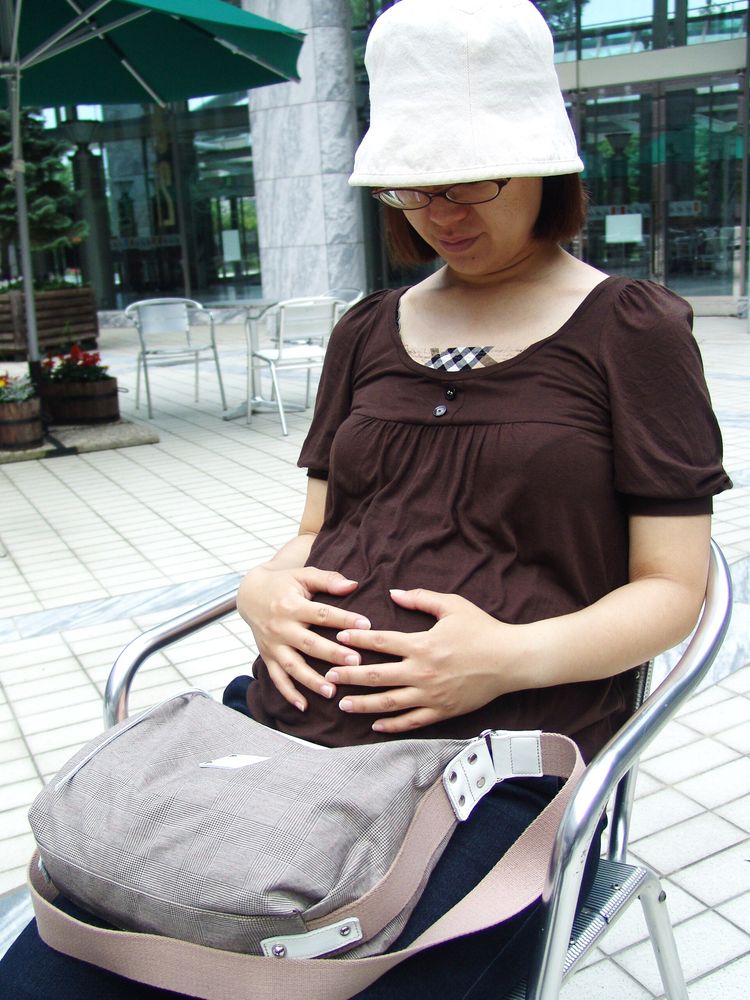
อาการในระยะเริ่มต้นของการเจ็บครรภ์คลอดก่อนกำหนดมักไม่ชัดเจนและคล้ายกับอาการไม่สุขสบายทั่วไปของการตั้งครรภ์ พยาบาลจึงมีบทบาทสำคัญในการสอนให้หญิงตั้งครรภ์สังเกตอาการเตือนตั้งแต่เนิ่นๆ หญิงตั้งครรภ์อาจรู้สึกท้องแข็งหรือท้องปั้นเป็นพักๆ อย่างสม่ำเสมอ ซึ่งบางรายไม่รู้สึกเจ็บ ร่วมกับปวดเกร็งบริเวณท้องน้อยคล้ายปวดประจำเดือน ปวดหลังส่วนล่างแบบตื้อๆ ทั้งตลอดเวลาหรือเป็นพักๆ และรู้สึกถ่วงหรือหน่วงในอุ้งเชิงกรานเหมือนทารกกดลงมา
Early symptoms of preterm labour are often vague and feel like the normal discomforts of pregnancy, so nurses play a key role in teaching women to notice warning signs early. The woman may feel her belly tighten or harden regularly, sometimes without pain, with cramping low in the belly like period pain, a dull low backache that is constant or comes and goes, and heaviness or pressure in the pelvis as if the baby is pushing down.

อีกอาการหนึ่งที่สำคัญคือการเปลี่ยนแปลงของตกขาว ซึ่งอาจมีปริมาณมากขึ้น เป็นมูก ใสเป็นน้ำ หรือมีมูกปนเลือด (show) หากมีน้ำใสไหลออกทางช่องคลอดอาจเป็นอาการของถุงน้ำคร่ำแตก ซึ่งต้องมาโรงพยาบาลทันที บางรายอาจมีอาการปวดเกร็งในลำไส้หรือถ่ายเหลวร่วมด้วย
Another important sign is a change in vaginal discharge: more of it, mucus-like, watery, or mucus with blood (show). Clear fluid running from the vagina may mean the waters have broken, and she must come to hospital at once. Some women also have bowel cramps or diarrhoea.

อาการแสดงที่ตรวจพบSigns found on examination
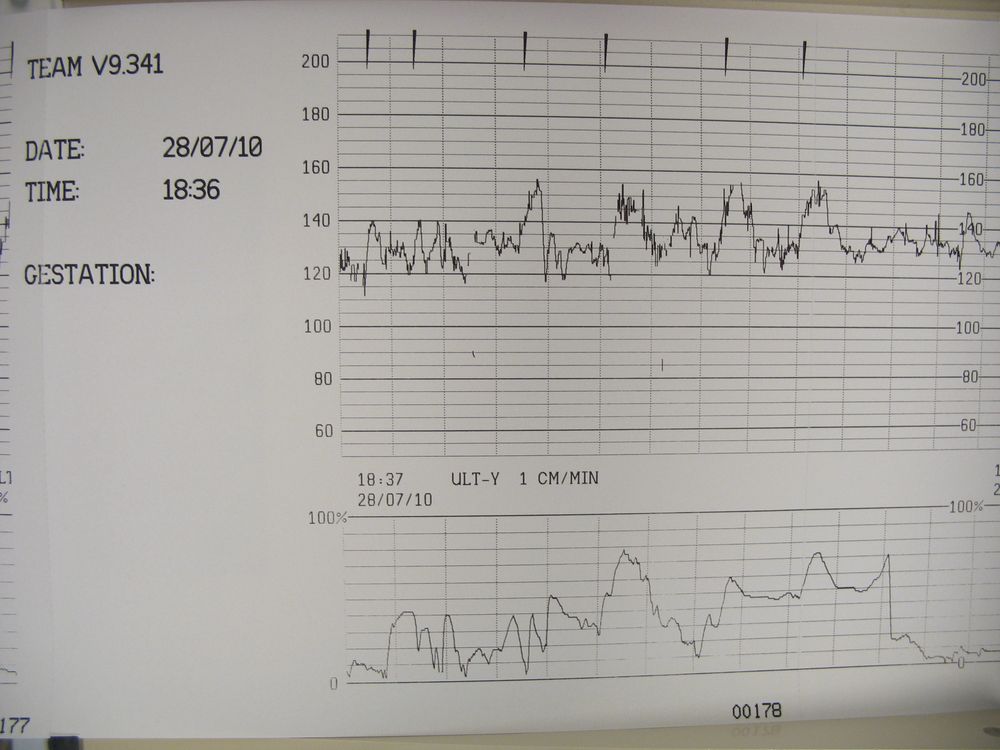
เมื่อตรวจร่างกาย จะคลำได้หรือเห็นจากเครื่องบันทึกการหดรัดตัวของมดลูกว่ามดลูกหดรัดตัวอย่างสม่ำเสมอตามเกณฑ์ และเมื่อตรวจภายในจะพบว่าปากมดลูกบางตัวหรือเปิดขยายเพิ่มขึ้นเมื่อตรวจซ้ำ ในรายที่สงสัยว่าถุงน้ำคร่ำแตก การตรวจด้วยเครื่องถ่างช่องคลอดที่ปราศจากเชื้อจะพบน้ำคร่ำขังอยู่ที่ช่องคลอดส่วนหลัง (posterior fornix) ส่วนในรายที่มีการติดเชื้อในโพรงมดลูก มารดาจะมีไข้ ชีพจรเร็ว มดลูกกดเจ็บ น้ำคร่ำมีกลิ่นเหม็น และอัตราการเต้นของหัวใจทารกเร็วกว่าปกติ
On examination, regular contractions meeting the criteria can be felt or seen on the contraction monitor, and a vaginal examination shows the cervix thinning or opening more on repeat checks. If the waters may have broken, a sterile speculum examination shows amniotic fluid pooling at the back of the vagina (posterior fornix). With infection inside the womb, the mother has fever, a fast pulse, a tender womb, smelly amniotic fluid and a faster than normal fetal heart rate.
การตรวจทางห้องปฏิบัติการและการตรวจพิเศษLaboratory and special tests
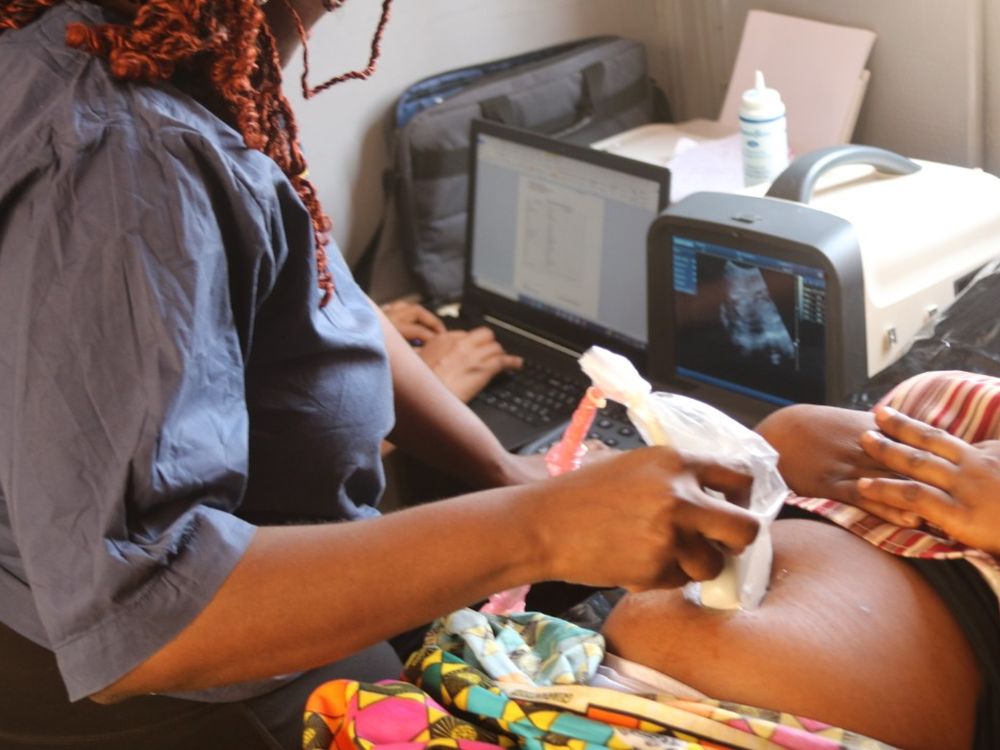
การวัดความยาวปากมดลูกด้วยคลื่นเสียงความถี่สูงทางช่องคลอดช่วยแยกผู้ที่มีความเสี่ยงสูงออกจากผู้ที่มีความเสี่ยงต่ำ หากปากมดลูกยาวน้อยกว่า 20 มิลลิเมตร ถือว่ามีความเสี่ยงคลอดสูง ในขณะที่หากยาวมากกว่า 30 มิลลิเมตร โอกาสคลอดภายใน 7 วันจะต่ำ การตรวจหา fetal fibronectin ในสารคัดหลั่งจากช่องคลอดที่อายุครรภ์ 22 ถึง 34 สัปดาห์ มีประโยชน์มากเมื่อผลเป็นลบ เพราะมีค่าการทำนายผลลบสูง จึงช่วยลดการรับไว้ในโรงพยาบาลโดยไม่จำเป็น นอกจากนี้ ควรตรวจปัสสาวะและเพาะเชื้อ เพาะเชื้อ Group B Streptococcus ตรวจหาภาวะช่องคลอดอักเสบจากแบคทีเรีย และตรวจความสมบูรณ์ของเม็ดเลือดเพื่อประเมินภาวะซีดและการติดเชื้อ ร่วมกับการตรวจคลื่นเสียงความถี่สูงเพื่อประเมินอายุครรภ์ ท่าของทารก ปริมาณน้ำคร่ำ และตำแหน่งรก และการตรวจ non-stress test เพื่อประเมินสุขภาพทารกในครรภ์
Measuring cervical length by vaginal ultrasound separates women at high risk from those at low risk: under 20 millimetres means a high risk of birth, while over 30 millimetres means birth within 7 days is unlikely. Testing vaginal fluid for fetal fibronectin at 22–34 weeks is most useful when negative, because a negative result is very reliable and avoids unnecessary admission. Urine tests and culture, Group B Streptococcus culture, testing for bacterial vaginosis and a full blood count for anaemia and infection should also be done, together with ultrasound for gestational age, the baby’s position, amniotic fluid and placenta position, and a non-stress test of the baby’s wellbeing.
วิดีโอที่เกี่ยวข้องRelated videos 10
วิดีโอจากกรมอนามัยและโรงพยาบาล ต้องต่ออินเทอร์เน็ตเพื่อดูVideos in Thai from Thailand’s Department of Health and hospitals. Internet needed.


เอกสารอ้างอิงReferences 7
- Iams, J. D., Stilson, R., Johnson, F. F., Williams, R. A., & Rice, R. (1990). Symptoms that precede preterm labor and preterm premature rupture of the membranes. American Journal of Obstetrics and Gynecology, 162, 486–490.
- ราชวิทยาลัยสูตินรีแพทย์แห่งประเทศไทย. (2567). แนวทางเวชปฏิบัติ เรื่อง การดูแลรักษาภาวะเจ็บครรภ์คลอดและถุงน้ำคร่ำรั่วก่อนกำหนด (OB 67-035).
- Chalermchockcharoenkit, A. (2002). Preterm labor. Thai Journal of Obstetrics and Gynaecology, 14, 85–98.
- World Health Organization. (2015). Pregnancy, childbirth, postpartum and newborn care: A guide for essential practice (3rd ed.). WHO.
- ราชวิทยาลัยสูตินรีแพทย์แห่งประเทศไทย. (2564). แนวทางเวชปฏิบัติ เรื่อง การประเมินสุขภาพทารกในครรภ์ (OB 64-026).
- ศิริวรรณ แสงอินทร์. (2557). การพยาบาลมารดาที่มีภาวะเจ็บครรภ์คลอดก่อนกำหนด. วารสารคณะพยาบาลศาสตร์ มหาวิทยาลัยบูรพา, 22(1), 27–38.
- American College of Obstetricians and Gynecologists. (2016). Practice Bulletin No. 171: Management of preterm labor. Obstetrics & Gynecology, 128(4), e155–e164.