
ในหน้านี้On this page5
VI. ผลกระทบต่อทารกและมารดาVI. Effects on the baby and the mother
ผลกระทบต่อทารกEffects on the baby
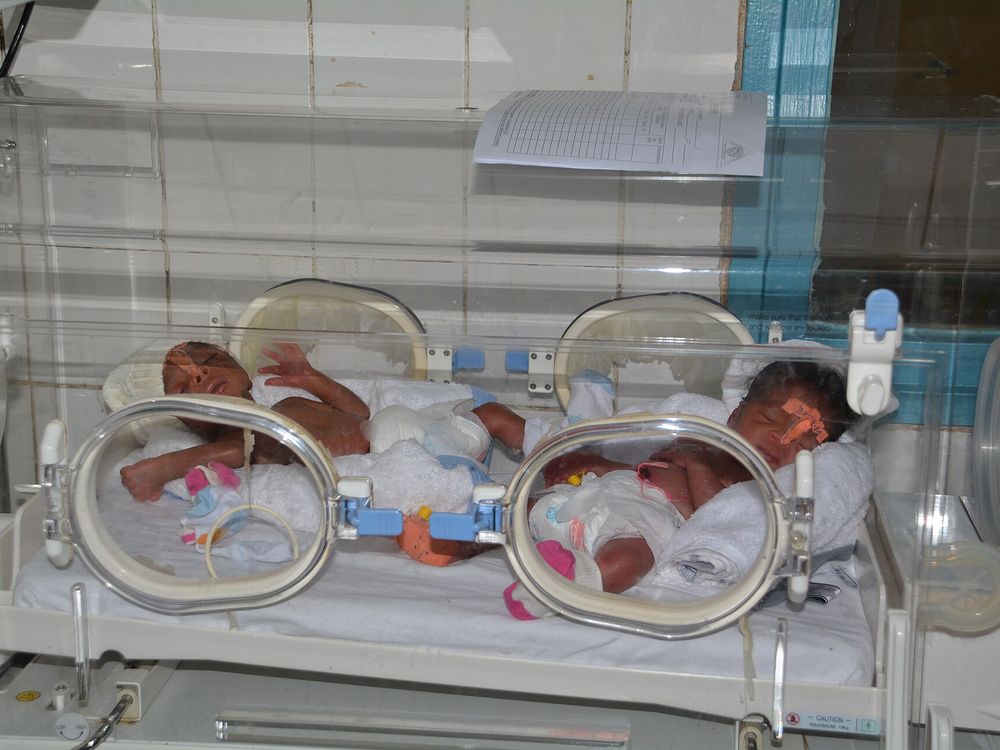
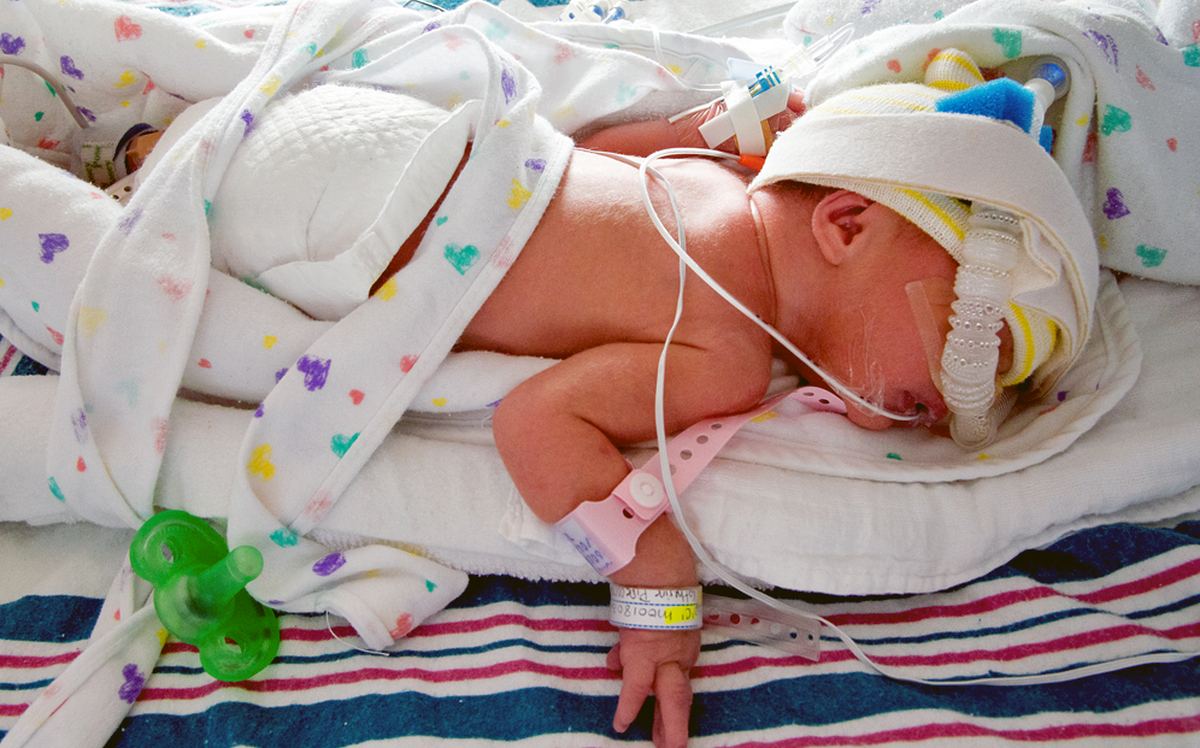
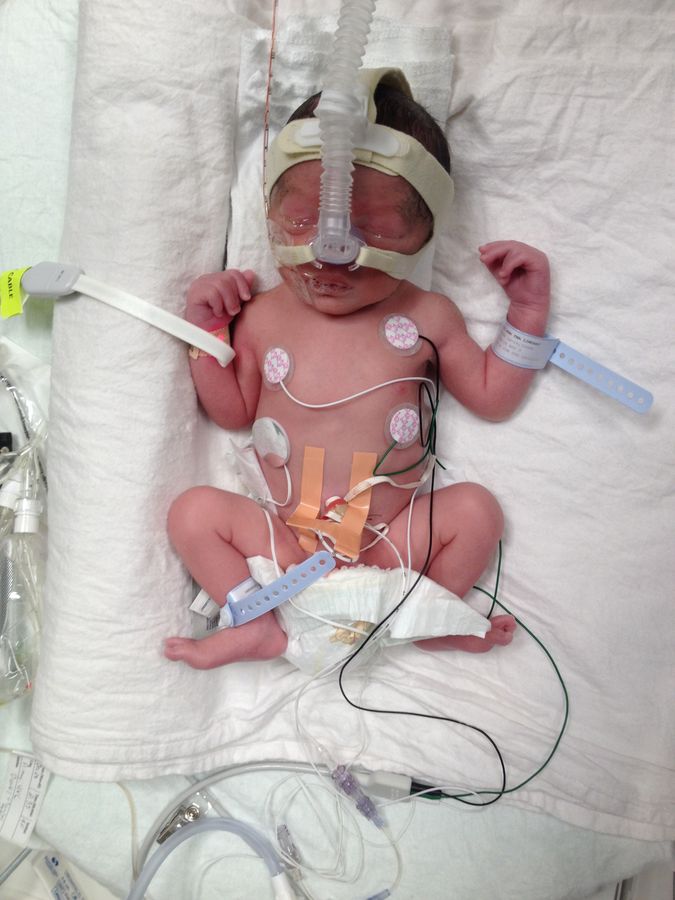
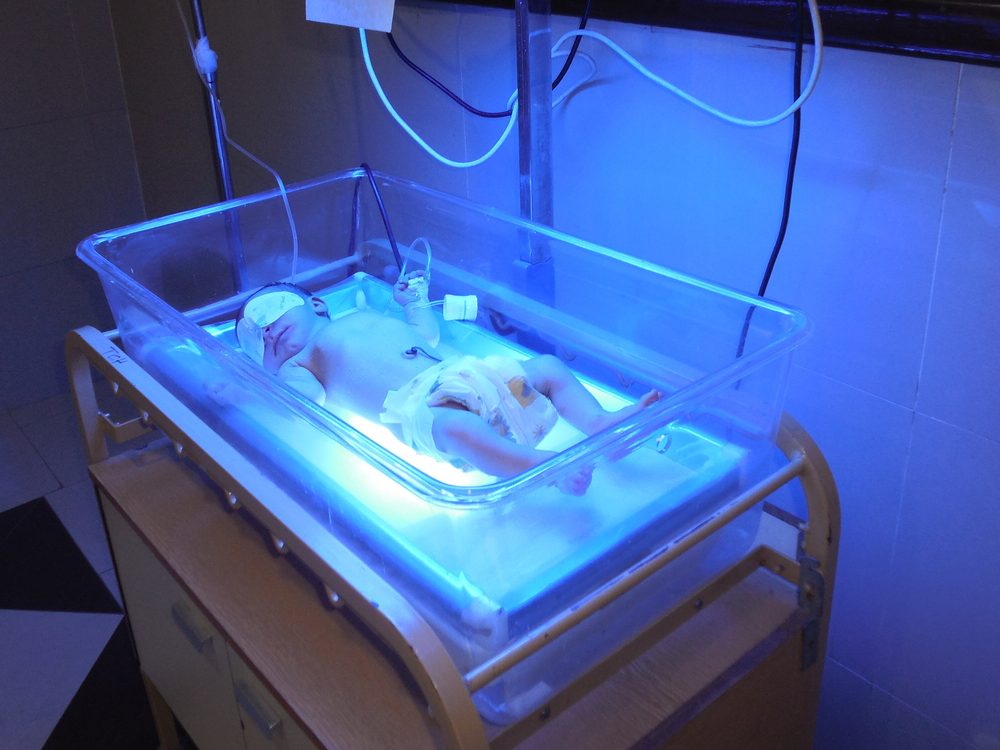
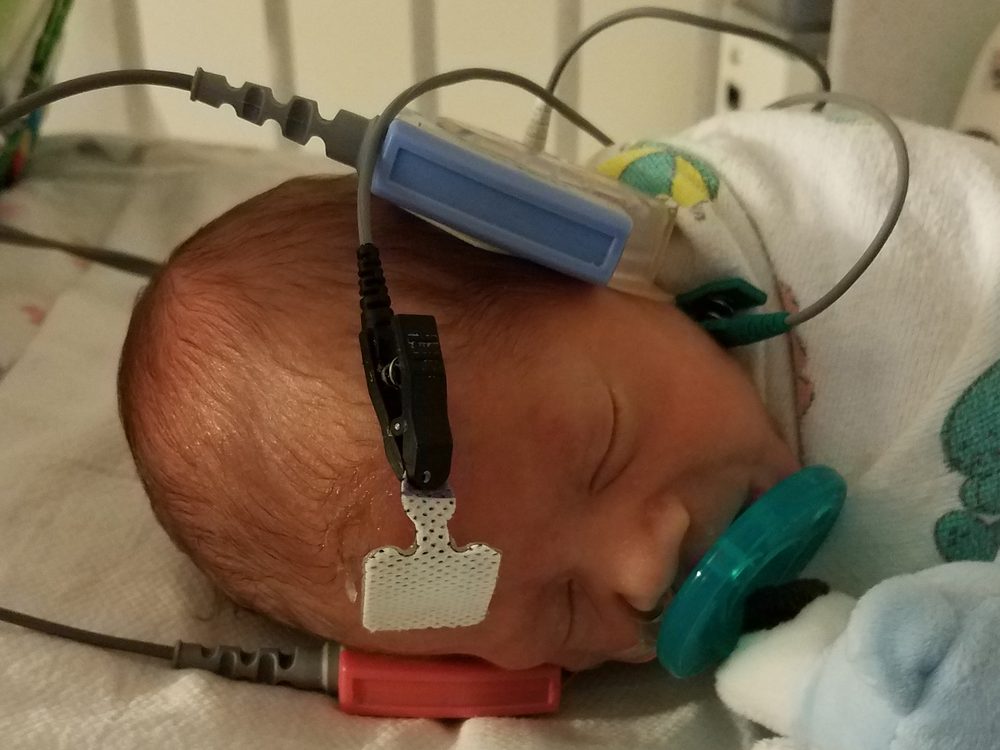
ทารกที่คลอดก่อนกำหนดมีอวัยวะที่ยังพัฒนาไม่สมบูรณ์ และยิ่งอายุครรภ์น้อย ความรุนแรงของภาวะแทรกซ้อนก็ยิ่งมาก ในระยะสั้น ทารกเสี่ยงต่อกลุ่มอาการหายใจลำบากจากการขาดสารลดแรงตึงผิวในปอด เลือดออกในโพรงสมอง ลำไส้เน่าตาย การติดเชื้อในกระแสเลือด อุณหภูมิกายต่ำ น้ำตาลในเลือดต่ำ และภาวะตัวเหลือง ในระยะยาว ทารกอาจเกิดโรคปอดเรื้อรัง จอประสาทตาผิดปกติ ภาวะสมองพิการ พัฒนาการล่าช้า และการได้ยินบกพร่อง และเมื่อเติบโตเป็นผู้ใหญ่ยังมีความเสี่ยงต่อโรคเรื้อรัง เช่น โรคอ้วนและเบาหวาน สูงกว่าผู้ที่คลอดครบกำหนด
Preterm babies have organs that are not fully developed, and the earlier the birth, the more serious the complications. In the short term they are at risk of breathing difficulty from lack of surfactant in the lungs, bleeding in the brain, bowel necrosis, blood infection, low body temperature, low blood sugar and jaundice. In the long term they may develop chronic lung disease, eye damage (retinopathy), cerebral palsy, developmental delay and hearing loss, and as adults they have a higher risk of long-term illnesses such as obesity and diabetes than people born at term.
ผลกระทบต่อมารดาEffects on the mother
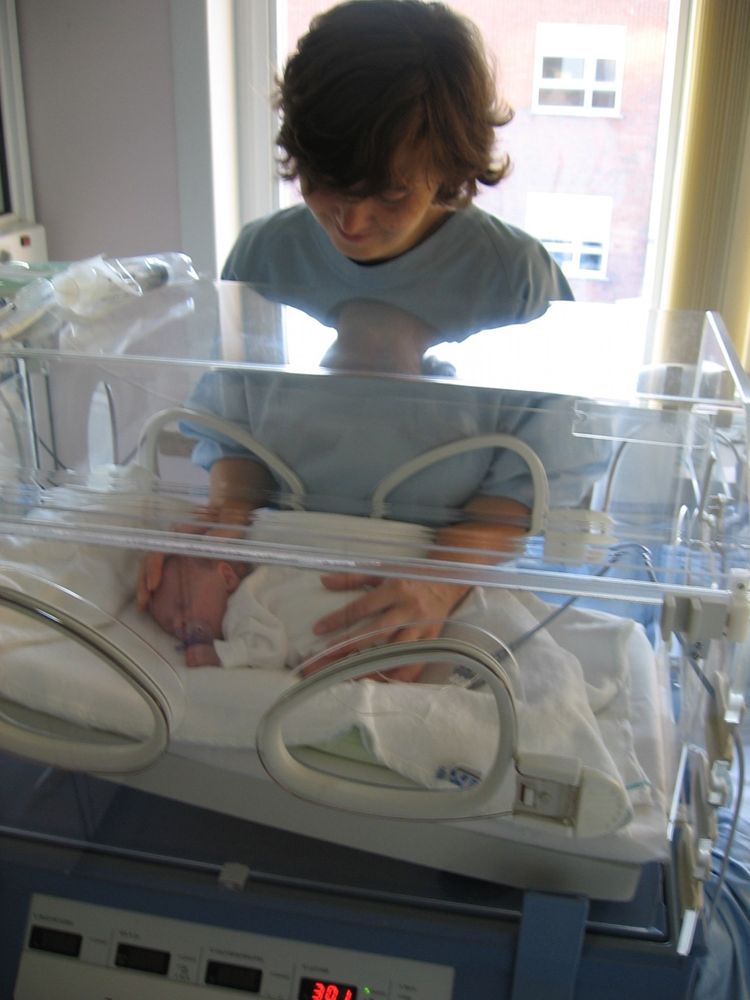
มารดาอาจได้รับผลข้างเคียงจากยายับยั้งการหดรัดตัวของมดลูก เช่น ใจสั่นและน้ำท่วมปอด มีความเสี่ยงต่อการติดเชื้อในโพรงมดลูก โดยเฉพาะเมื่อถุงน้ำคร่ำแตกเป็นเวลานาน และมักมีความวิตกกังวล ความเครียด และภาวะซึมเศร้าหลังคลอดจากความห่วงใยต่อทารก นอกจากนี้ มารดาที่เคยคลอดก่อนกำหนดยังมีโอกาสคลอดก่อนกำหนดซ้ำในการตั้งครรภ์ครั้งต่อไป
The mother may have side effects from medicines that stop contractions, such as palpitations and fluid on the lungs. She is at risk of infection inside the womb, especially when the waters have been broken for a long time, and often has anxiety, stress and postnatal depression from worry about her baby. A mother who has had a preterm birth is also more likely to have another one in her next pregnancy.
วิดีโอที่เกี่ยวข้องRelated videos 10
วิดีโอจากกรมอนามัยและโรงพยาบาล ต้องต่ออินเทอร์เน็ตเพื่อดูVideos in Thai from Thailand’s Department of Health and hospitals. Internet needed.





เอกสารอ้างอิงReferences 12
- Saigal, S., & Doyle, L. W. (2008). An overview of mortality and sequelae of preterm birth from infancy to adulthood. The Lancet, 371, 261–269.
- Teune, M. J., et al. (2011). A systematic review of severe morbidity in infants born late preterm. American Journal of Obstetrics and Gynecology, 205, 374.e1–374.e9.
- World Health Organization. (2015). WHO recommendations on interventions to improve preterm birth outcomes. WHO.
- Institute of Medicine. (2007). Preterm birth: Causes, consequences, and prevention (R. E. Behrman & A. S. Butler, Eds.). National Academies Press.
- Blencowe, H., Lee, A. C. C., Cousens, S., et al. (2013). Preterm birth-associated neurodevelopmental impairment estimates at regional and global levels for 2010. Pediatric Research, 74(Suppl. 1), 17–34.
- Pascal, A., et al. (2018). Neurodevelopmental outcome in very preterm and very-low-birthweight infants born over the past decade: A meta-analytic review. Developmental Medicine & Child Neurology, 60(4), 342–355.
- Perin, J., Mulick, A., Yeung, D., et al. (2022). Global, regional, and national causes of under-5 mortality in 2000–19. The Lancet Child & Adolescent Health, 6(2), 106–115.
- Amsri, P., Deoisres, W., & Suppaseemanont, W. (2562). ปัจจัยที่มีอิทธิพลต่อความเครียดของมารดาที่มีบุตรคลอดก่อนกำหนดเข้ารับการรักษาในหออภิบาลทารกแรกเกิด. วารสารคณะพยาบาลศาสตร์ มหาวิทยาลัยบูรพา, 27(3), 54–63.
- de Paula Eduardo, J. A. F., et al. (2019). Preterm birth as a risk factor for postpartum depression: A systematic review and meta-analysis. Journal of Affective Disorders, 259, 392–403.
- World Health Organization. (n.d.). Preterm and low birth weight infants [Web page]. WHO.
- American College of Obstetricians and Gynecologists. (2016). Practice Bulletin No. 171: Management of preterm labor. Obstetrics & Gynecology, 128(4), e155–e164.
- American College of Obstetricians and Gynecologists. (2021). Practice Bulletin No. 234: Prediction and prevention of spontaneous preterm birth. Obstetrics & Gynecology, 138(2), e65–e90.